Nik is a creative director, copywriter, and content strategist working in Seattle.


My Background as a Leader
Taking charge of teams
As the owner of an agency, I have led a variety of teams built for different projects and internal needs. Types of roles I’ve managed include executive and virtual assistants, marketing directors, graphic designers, copywriters, content strategists, creative directors, account executives, videographers, illustrators, publicists, and media buyers.
How do I make it happen?
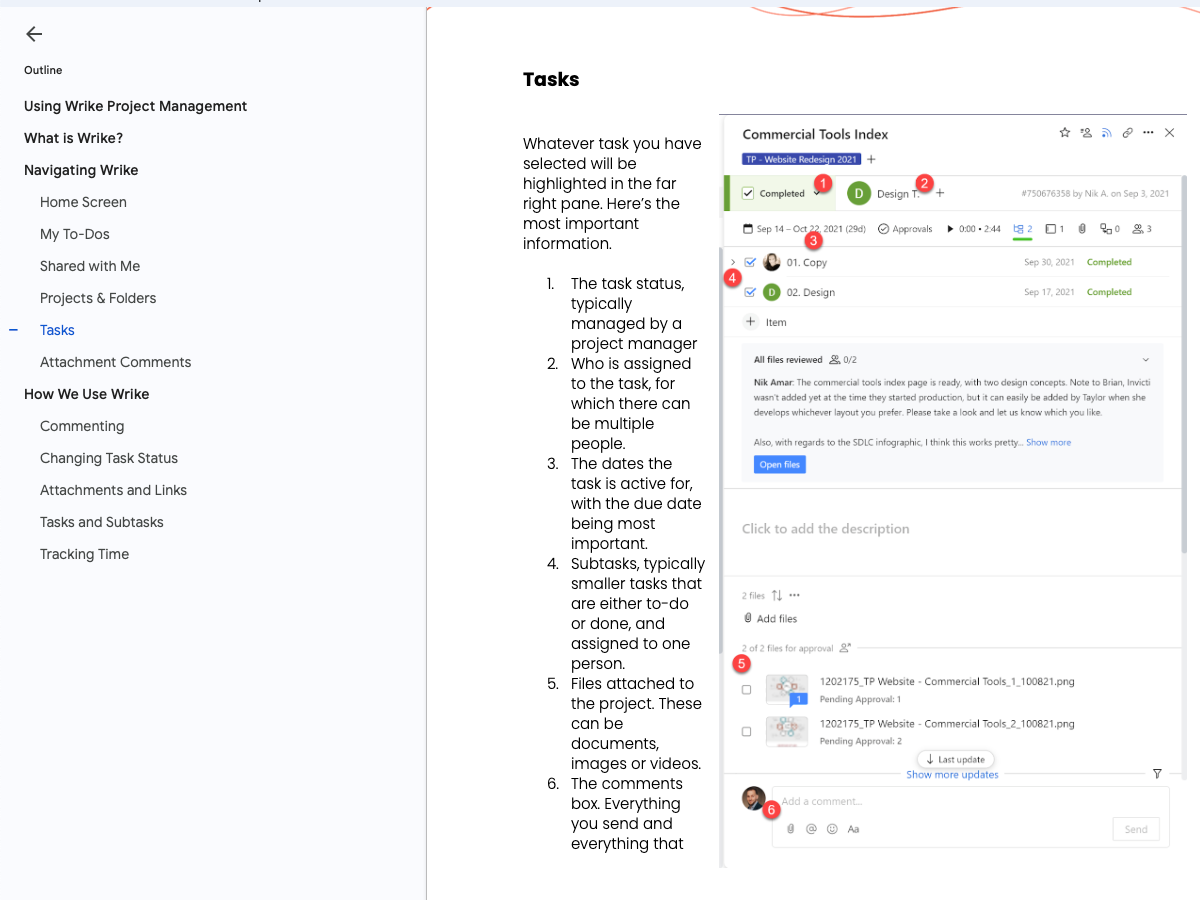
One of my core practices is to make sure everyone is operating from the same playbook. The executive assistant is held to the same standards as the lead designer, and all team members know what to expect from me as their direct report.
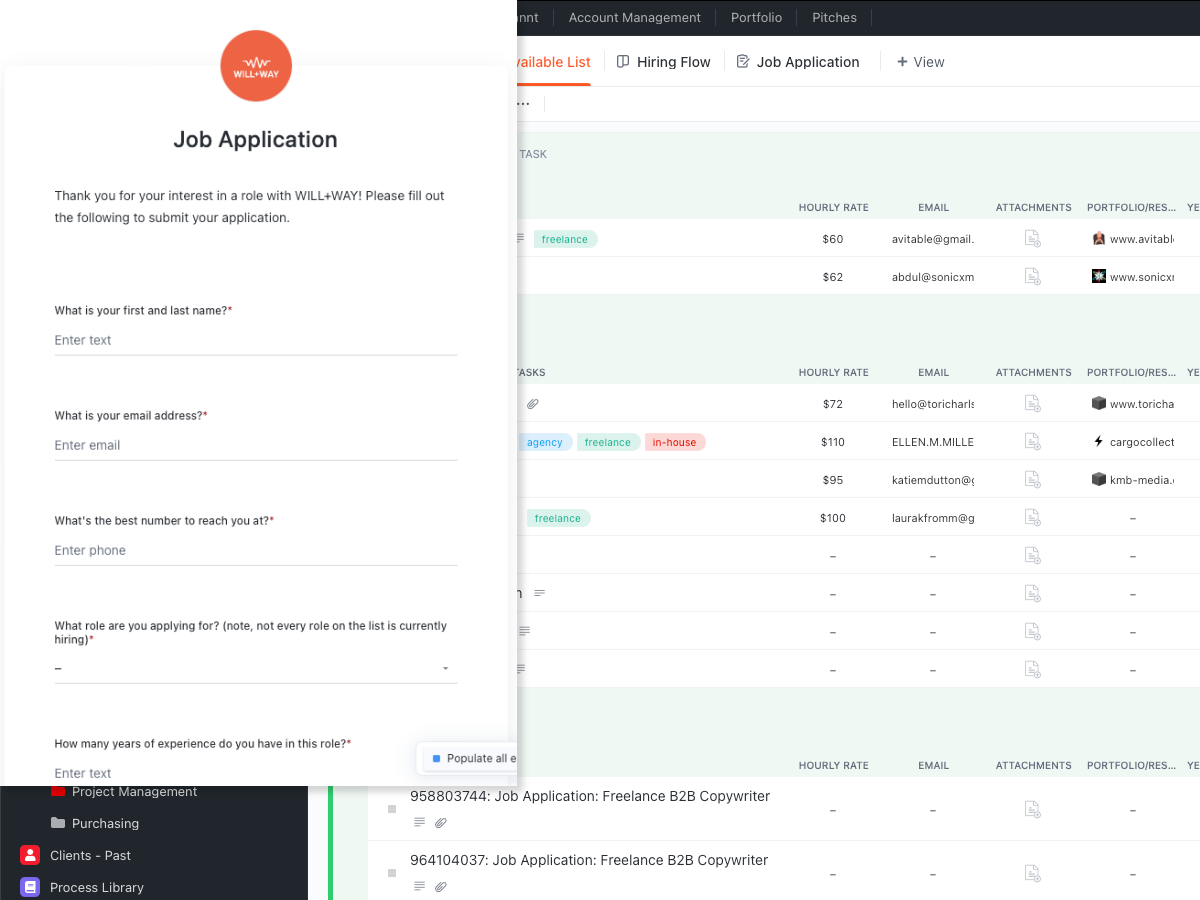
I’ve written and posted job listings, built intake forms, conducted interviews, hired workers, and pruned teams when budget or performance necessitated it. I check for things like ability to do the work through careful knowledge-based interview questions, and running candidates by other key staff to gather feedback and ensure a good fit.
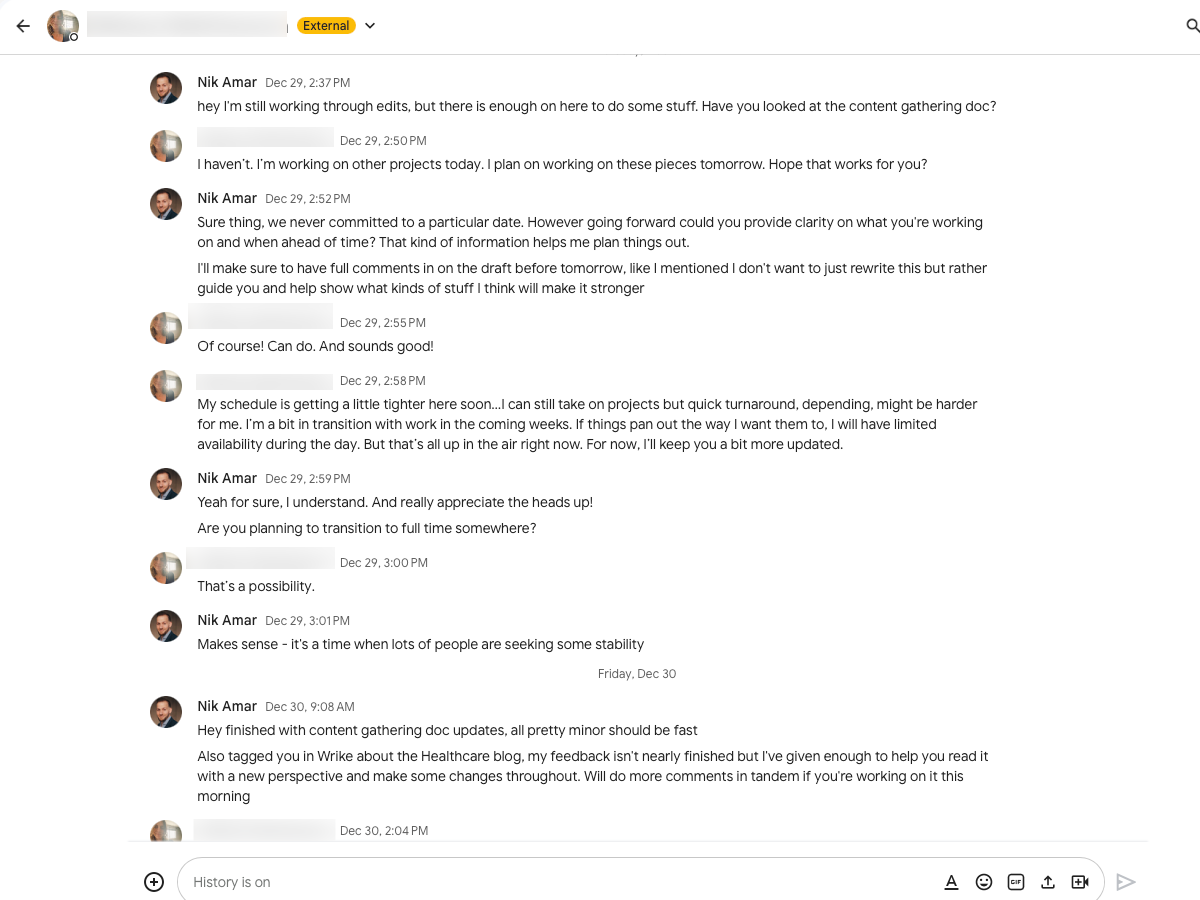
Managing people often means taking criticism and finding win-win solutions to difficult problems. What about when one employee doesn’t think another is competent? What do you do when a senior talent lets their ego get in the way of an important project? I manage problems like these with an eye towards empathy, and being willing to fall on my sword when needed to serve the greater good for my team.
Whether I need to be a bright light in a dark time or help keep up positive momentum, inspiring people is part of my job. I use a combination of realism that I think teams find refreshing, along with enthusiasm that comes from belief in the mission to help make this happen.
Whether I need to be a bright light in a dark time or help keep up positive momentum, inspiring people is part of my job. I use a combination of realism that I think teams find refreshing, along with enthusiasm that comes from belief in the mission to help make this happen.
One of my core practices is to make sure everyone is operating from the same playbook. The executive assistant is held to the same standards as the lead designer, and all team members know what to expect from me as their direct report.
I’ve written and posted job listings, built intake forms, conducted interviews, hired workers, and pruned teams when budget or performance necessitated it. I check for things like ability to do the work through careful knowledge-based interview questions, and running candidates by other key staff to gather feedback and ensure a good fit.
Managing people often means taking criticism and finding win-win solutions to difficult problems. What about when one employee doesn’t think another is competent? What do you do when a senior talent lets their ego get in the way of an important project? I manage problems like these with an eye towards empathy, and being willing to fall on my sword when needed to serve the greater good for my team.
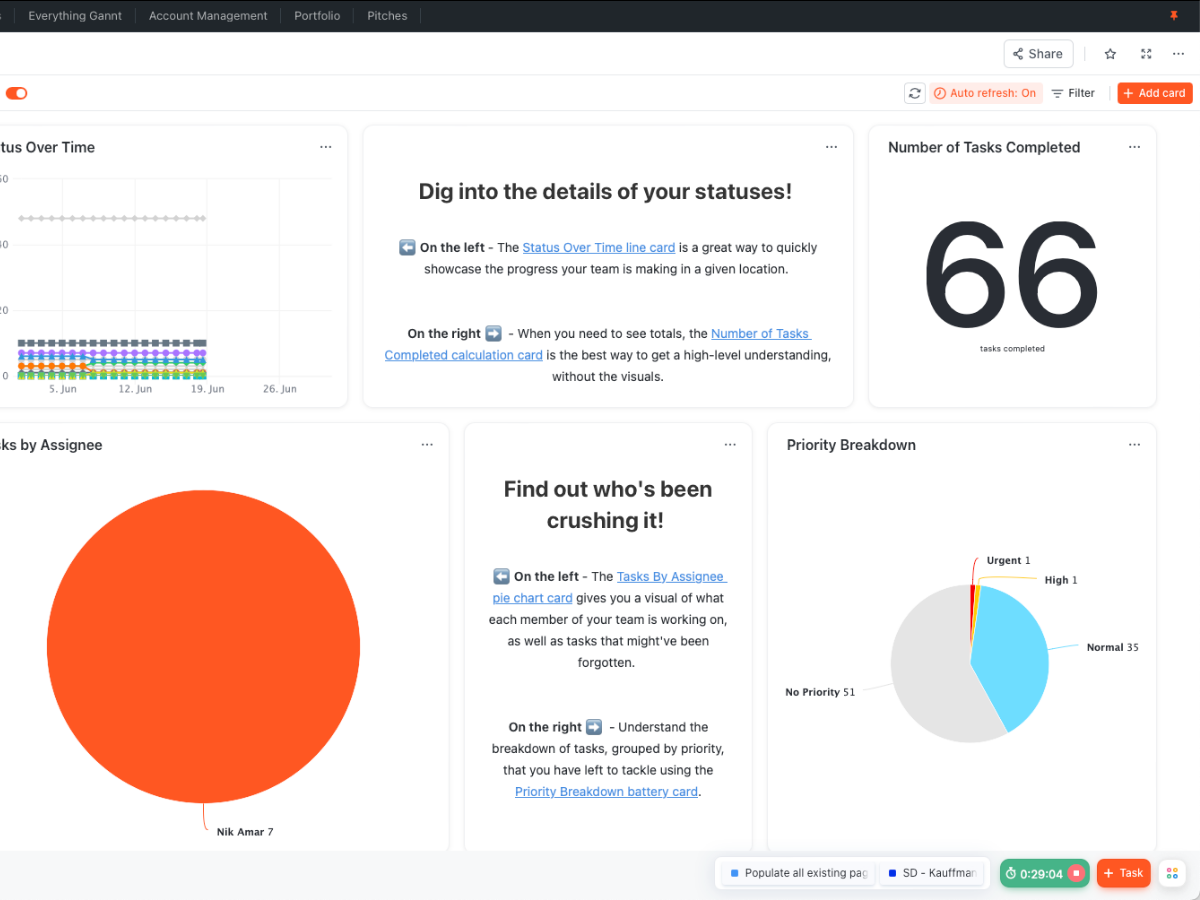
There’s the day-to-day tasks that make the company work, and then there are our broader goals I have to take responsibility for—like increasing billable hours and profitability or improving morale. I use transparency and careful incentivization strategies to deliver results in a way that makes teams happy to go along with management’s goals.
Whether I need to be a bright light in a dark time or help keep up positive momentum, inspiring people is part of my job. I use a combination of realism that I think teams find refreshing, along with enthusiasm that comes from belief in the mission to help make this happen.
Check out how I put this skill into practice.