Nik is a creative director, copywriter, and content strategist working in Seattle.

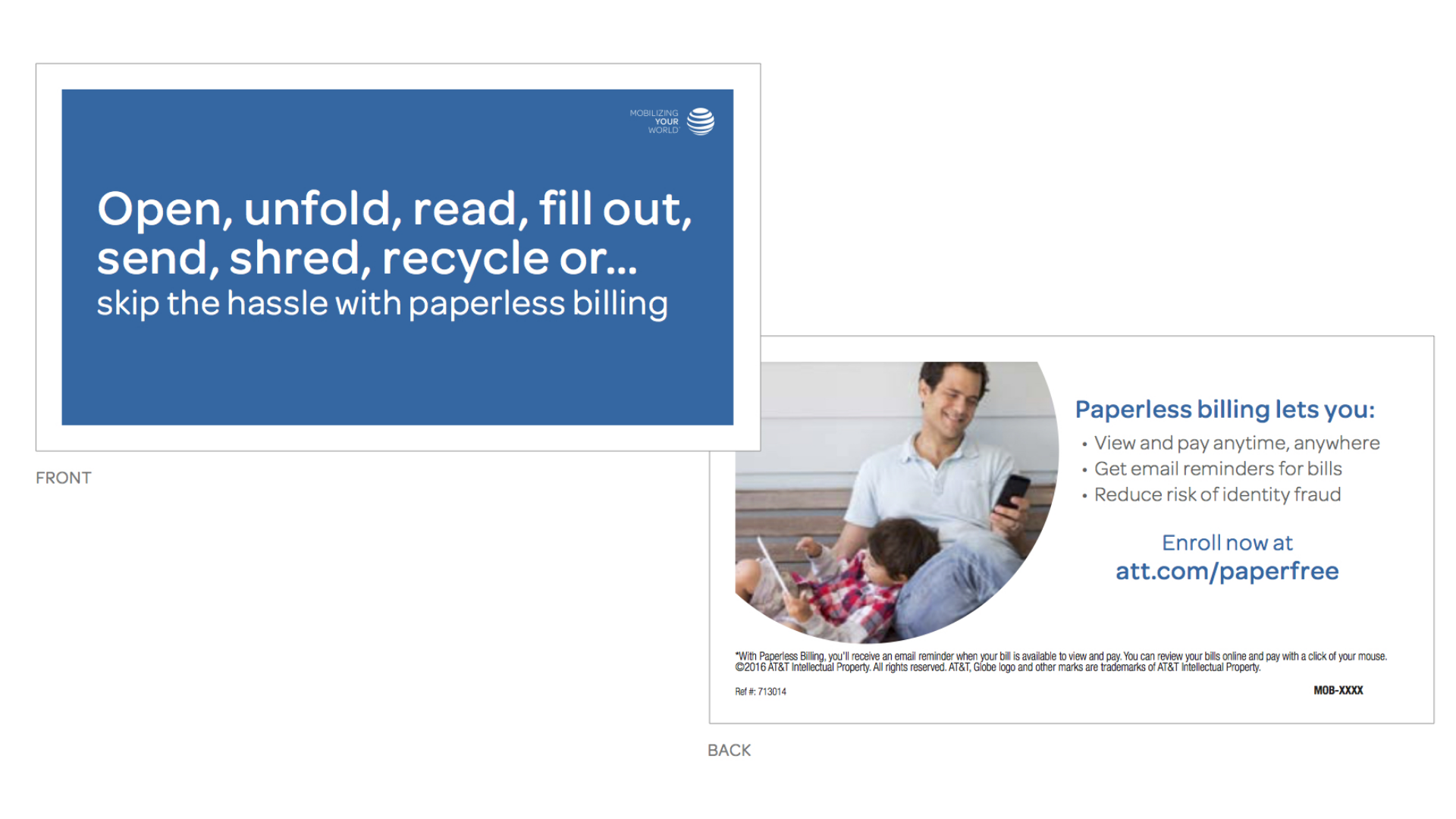
My Background as a Senior Copywriter
Solving all your problems with words
My career in marketing and advertising began with copywriting, and it’s a skill I’ve continuously sharpened. Whether you want to call it being a communications specialist, a content writer, a content designer, or anything else, I’ve honed my craft writing copy that puts items in carts, thoughts in heads, and sometimes, change in motion.
How do I make it happen?
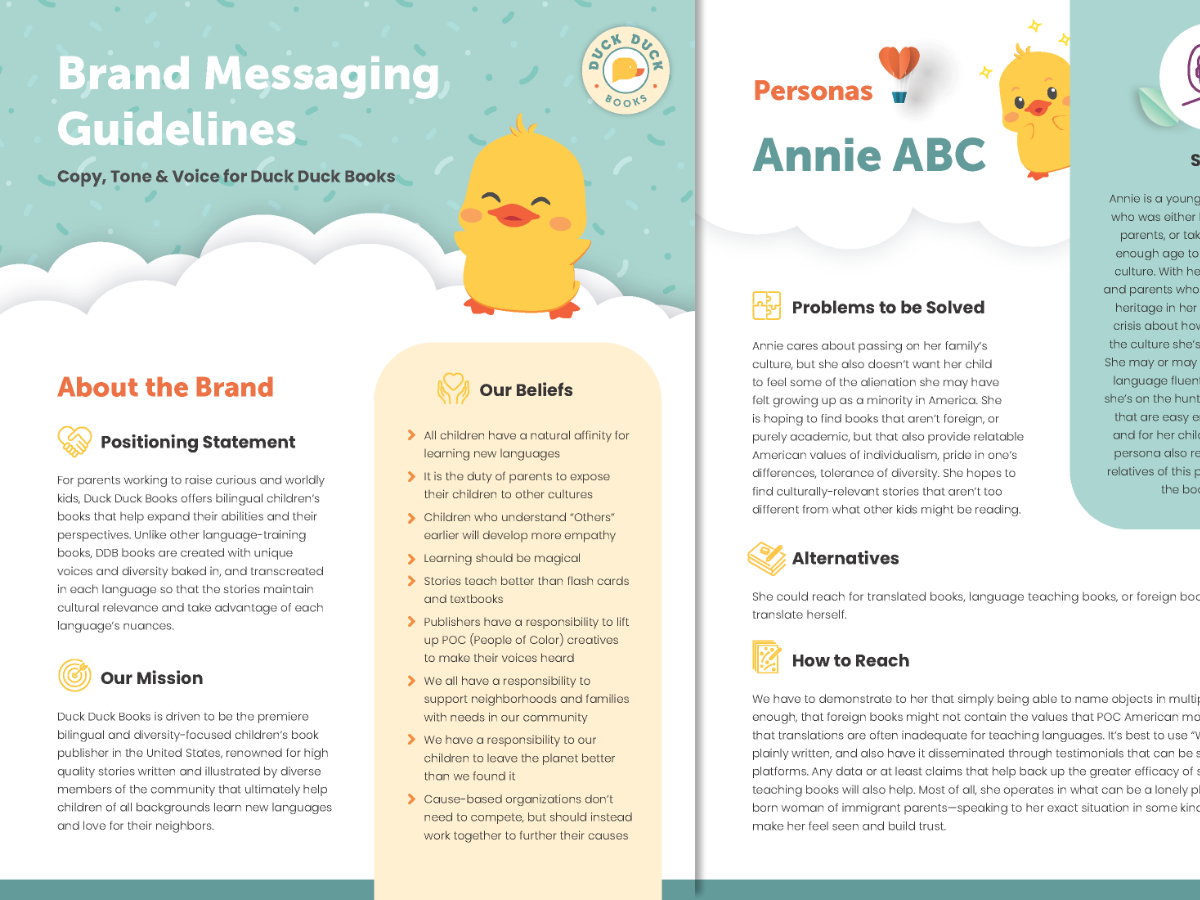
I always start with brand voice and tone guidelines to be a guiding light to judge work against. If they aren’t available, I create them. It starts with core assumptions based on personas I and my clients develop, and is synthesized with all the content being put out by the brand. By focusing on a few core voice adjectives that are always true, and some tone adjectives that are true in the right contexts, I can help set all future writing projects up for success.
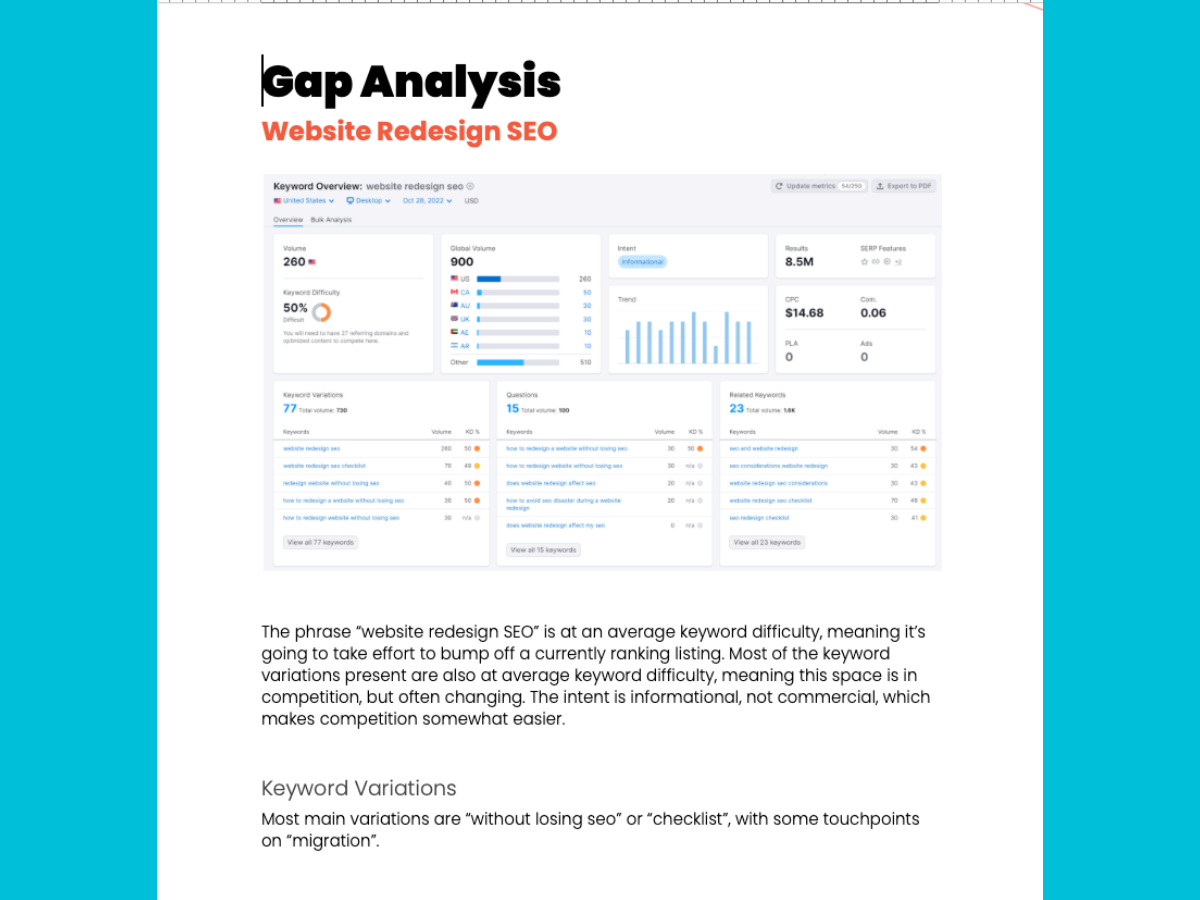
As a copywriter, I often have to learn a lot about new topics very quickly. I have an in-depth questionnaire I ask clients to fill out, to better understand their business, market, and customer. I also dive into trending articles, videos, and discussion threads relevant to the subjects to make sure I speak from a place of knowledge, and submit requests for sources to find subject matter experts (SMEs) when needed.
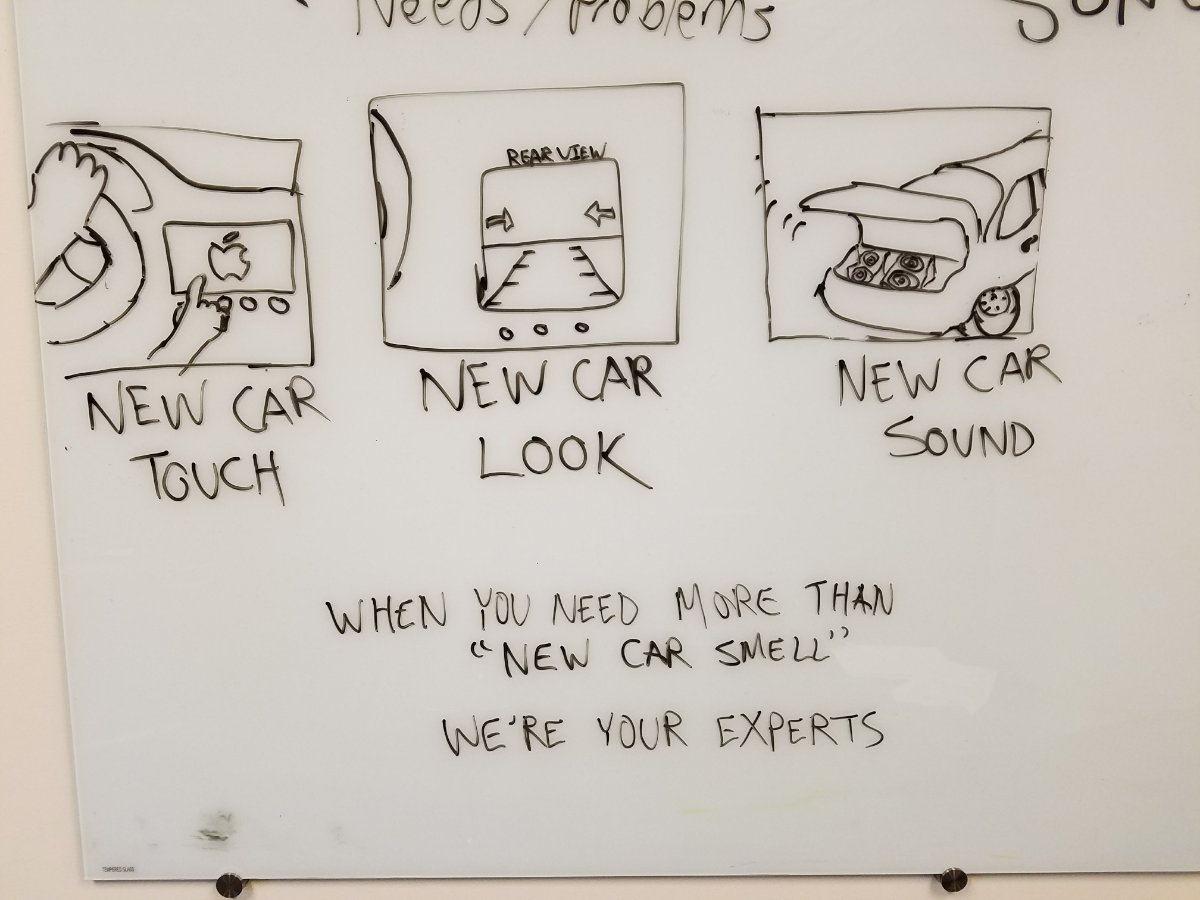
Inspiration can come from anywhere, but most often it begins with a story relevant to the audience of the work. Whether it’s a campaign or a website, I like to dig into customer reviews, sales recordings, and the human experiences that brush up with the product or service in question. From there, a unified angle and the right words usually fall into place.
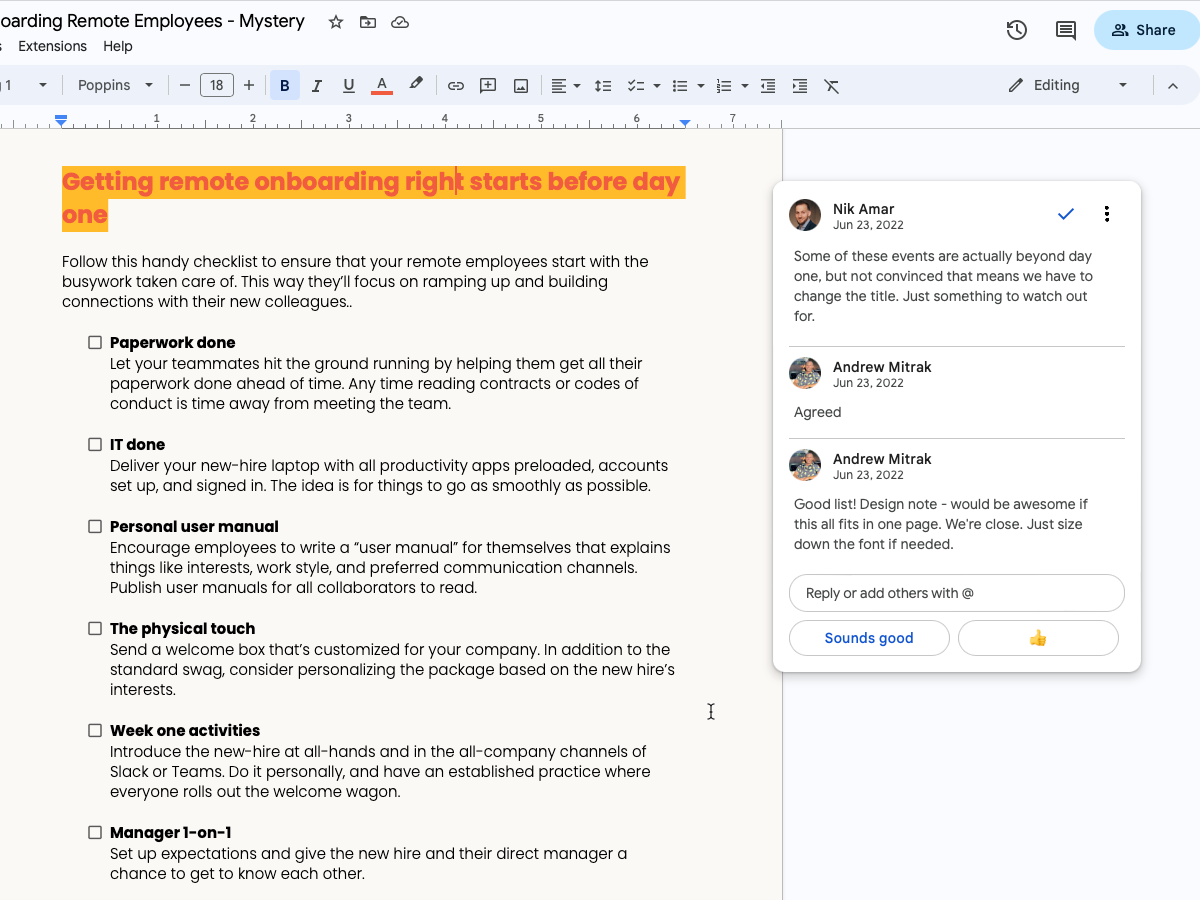
When I work on a brand, I tend to immerse myself into all its written work that’s relevant to my projects. For example, If I notice that a feature is referred to in a completely different way in a different medium, I’ll double check it with the product owner to see which version wins out. And if I see a news item that affects delivered work, I’ll check if we need an update. I take responsibility for the words of my clients.

When I work on a brand, I tend to immerse myself into all its written work that’s relevant to my projects. For example, If I notice that a feature is referred to in a completely different way in a different medium, I’ll double check it with the product owner to see which version wins out. And if I see a news item that affects delivered work, I’ll check if we need an update. I take responsibility for the words of my clients.
I always start with brand voice and tone guidelines to be a guiding light to judge work against. If they aren’t available, I create them. It starts with core assumptions based on personas I and my clients develop, and is synthesized with all the content being put out by the brand. By focusing on a few core voice adjectives that are always true, and some tone adjectives that are true in the right contexts, I can help set all future writing projects up for success.
As a copywriter, I often have to learn a lot about new topics very quickly. I have an in-depth questionnaire I ask clients to fill out, to better understand their business, market, and customer. I also dive into trending articles, videos, and discussion threads relevant to the subjects to make sure I speak from a place of knowledge, and submit requests for sources to find subject matter experts (SMEs) when needed.
Inspiration can come from anywhere, but most often it begins with a story relevant to the audience of the work. Whether it’s a campaign or a website, I like to dig into customer reviews, sales recordings, and the human experiences that brush up with the product or service in question. From there, a unified angle and the right words usually fall into place.
From deeply personal campaigns to mundane blog posts, I am no stranger to the professional need to edit, even outside of what suits my personal taste. I always advocate for the end reader and audience, however, and will tactfully go to bat for work that would be made less effective by edits, when needed.
When I work on a brand, I tend to immerse myself into all its written work that’s relevant to my projects. For example, If I notice that a feature is referred to in a completely different way in a different medium, I’ll double check it with the product owner to see which version wins out. And if I see a news item that affects delivered work, I’ll check if we need an update. I take responsibility for the words of my clients.
Check out how I put this skill into practice.
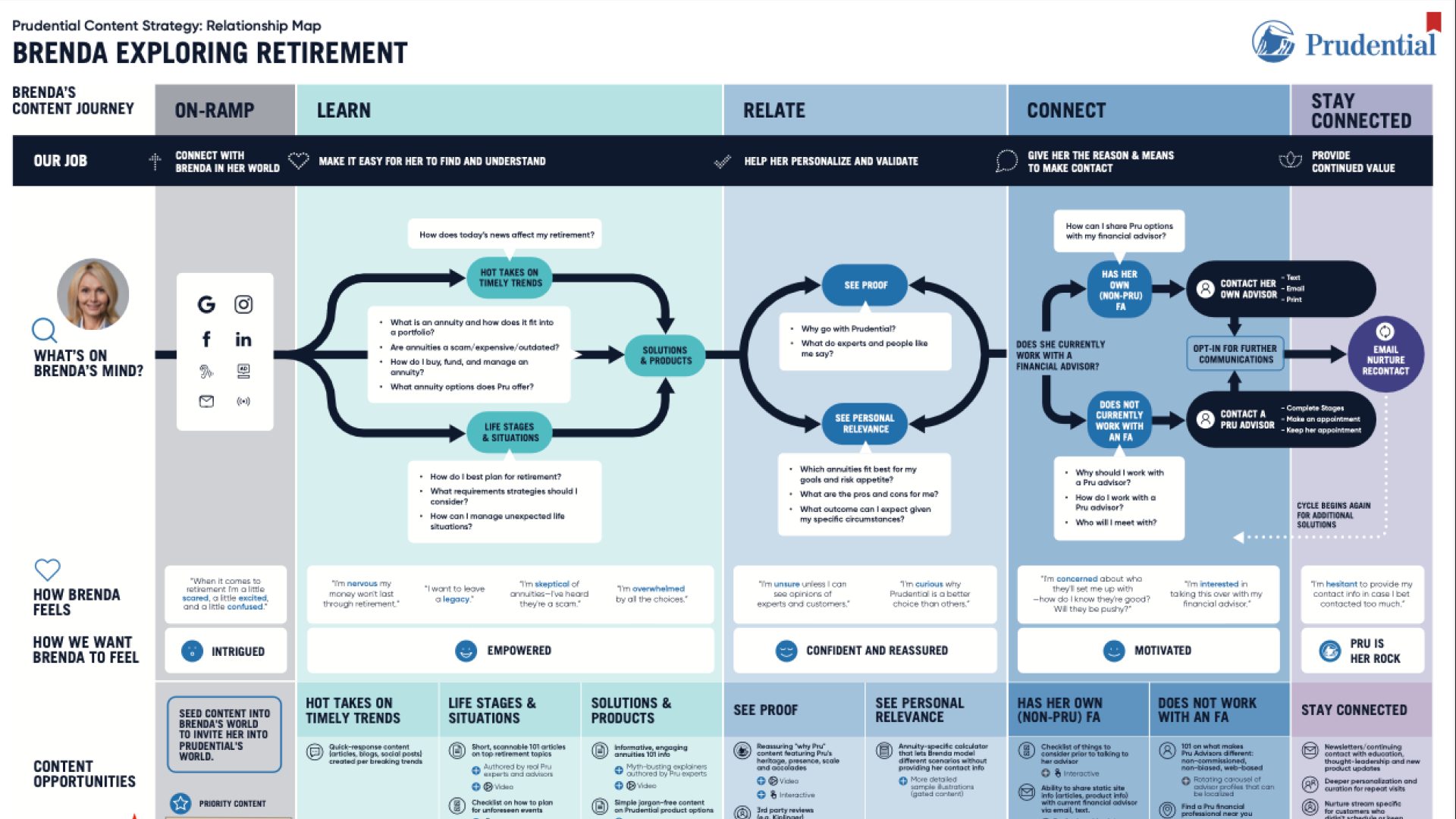
Bringing an old financial giant’s website into the self-serve FinTech era.
See case